Foam‑Rolling Techniques to Complement Chiropractic Adjustments
March 19, 2026
7 min

Welcome to Integrated Spine Wellness
Our holistic chiropractic philosophy centers on restoring spinal alignment while honoring the body’s innate healing capacity. Self‑myofascial release, especially foam rolling, loosens tight muscles and fascia, priming the spine for precise adjustments and enhancing nutrient flow. This article first explains the integrative framework, then details safe foam‑rolling techniques, and finally describes how combined care creates a patient‑focused, natural path to lasting back‑pain relief.
Why Combine Foam Rolling with Chiropractic Care
Foam rolling releases tight fascia and trigger points, allowing the spine to move more freely during a chiropractic adjustment. The soft‑tissue release reduces muscle tension, improves blood flow, and enhances proprioceptive feedback, which synergizes with joint manipulation that restores alignment and nerve function. Research shows that pre‑rolls increase range of motion by 5‑15 % and post‑rolls reduce soreness by 30 % to and when combined with adjustments, patients experience greater short‑term pain relief and functional gains. Adjustments also boost lymphatic circulation, helping clear metabolic waste such as lactic acid and inflammatory mediators.
Foam roller exercises for back and shoulders – Thoracic spine roll (30‑60 s, 2‑3 reps), lat roll side‑lying, upper‑arm roll against wall, and chest roll prone. Perform each for 30‑90 s, 2‑3 sets before stretching.
Foam roller benefits for cellulite – Temporarily improves blood and lymph drainage, giving a short‑term smoother appearance, but does not reduce fat or connective‑tissue bands; lasting change requires diet, exercise, and hydration.
Foam roller before or after workout – Use 5‑10 min of gentle pre‑roll to warm tissues and enhance mobility; follow with a post‑roll to flush waste and lessen DOMS. Adjust timing to your performance or recovery goals.
What toxins are released after chiropractic adjustment – The adjustment mobilizes lactic acid, carbon dioxide, cytokines, histamine, and prostaglandins, which the body clears via circulation and lymphatics. Hydration and light movement aid this process.
Self‑healing power of the human body – Inflammation, cellular turnover, stem‑cell activity, and neuro‑immune signaling drive tissue repair. Adequate sleep, nutrition, hydration, and movement support these innate mechanisms, a central tenet of Back in Action Bodyworks’ holistic care.
Biggest cause of musculoskeletal disorders – Repetitive strain from poor ergonomics (prolonged sitting, awkward posture, heavy lifting) leads to low‑back pain and other disorders. Ergonomic adjustments, regular movement, and professional care prevent progression.
Chiropractic treatment – Manual spinal adjustments, soft‑tissue work, posture counseling, and personalized exercise programs restore alignment, reduce nerve irritation, and improve function without drugs. Evidence supports effectiveness for low‑back, neck pain, and headaches.
Side effects of chiropractic adjustment – Mild soreness, fatigue, light‑headedness, or brief headache within 24‑48 h; serious complications are rare (<1 in a million). Contraindications include severe osteoporosis, spinal tumors, or vascular disorders.
Disadvantages of chiropractic – Cost of multiple visits, limited evidence for some claims, rare adverse events, and contraindications for certain conditions. Choose a licensed, evidence‑based practitioner.
Is chiropractic pseudoscience? – Spinal manipulation is evidence‑based for specific musculoskeletal issues. However, traditional claims of treating systemic disease via subluxations lack scientific support and are considered pseudoscientific. Reputable chiropractors focus on proven, joint‑related care.
Essential Foam‑Rolling Routines for Back, Shoulders, and Beginners

Foam‑rolling is a self‑myofascial tool that prepares the spine and shoulders for chiropractic care while supporting wellness. For the back and shoulders, start with a thoracic spine roll: lie with a medium‑density roller under the upper back, support the head, and roll slowly from the base of the neck to the lower ribs for 30‑60 seconds, 2‑3 repetitions. Follow with lat rolls on each side, then an upper‑arm massage and a chest roll to release pectoral tightness. Beginners should use a soft roller, perform each movement for 30‑45 seconds, and repeat 2‑3 times per muscle group, breathing deeply and keeping the core engaged. Progress to firmer rollers after 2‑3 weeks as tolerance improves. Long‑duration sessions of 10‑15 minutes target large muscle groups—calves, hamstrings, quadriceps, and upper back—holding each roll for 30‑60 seconds and ending with a gentle stretch; space intensive rolls at least 24 hours apart. Seven core exercises for lower‑back pain include cat‑cow, knee‑to‑chest, pelvic tilt, bird‑dog, glute bridge, side‑plank, and a thoracic foam‑roll. While foam rolling does not directly burn calories, it enhances circulation, reduces soreness, and improves range of motion, allowing more exercise that supports weight‑loss goals and complements chiropractic adjustments for lasting relief.
Safety First: Where Not to Roll and Common Mistakes

The worst thing you can do for back pain is prolonged bed‑rest; staying still leads to muscle atrophy, joint stiffness, and heightened pain perception. Gentle movement, short walks, and low‑impact stretching keep the spine mobile and support healing.
Potential disadvantages of chiropractic care include the cost of multiple visits, rare but possible adverse events such as nerve irritation or, in high‑velocity cervical adjustments, an increased stroke risk, and contraindications in severe osteoporosis, tumors, or certain vascular conditions.
Does chiropractic adjustment really work? Research confirms that spinal manipulation can reduce acute low‑back pain, neck pain, and tension‑type headaches, especially when paired with exercise and lifestyle counseling. The technique is generally safe when performed by a licensed professional, though individual response varies, making a personalized, holistic treatment plan essential.
Quick Home Strategies for Immediate Back Relief

Fast pain‑reduction techniques combine heat or cold, gentle mobility, and targeted myofascial release. For immediate relief, apply a warm pack or heating pad to painful area for 15‑20 minutes; if swelling is present, start with ice for the same duration. Follow with simple stretches such as cat‑cow, knee‑to‑chest, and lumbar rotations, holding each for 5‑10 seconds and repeating 2‑3 times. A medium‑density Foam rolling can be placed under thoracic spine or along erector spinae; roll slowly for 30‑60 seconds per spot, pausing on tender points to release trigger points. Core‑activating moves like a bridge or bird‑dog further support spine and prevent post‑adjustment soreness.
Lower‑back specific relief starts with a gentle knee‑to‑chest stretch, then pelvic tilts to engage abdominals. Cold for first 48 hours if pain is acute, then transition to heat to relax tight muscles. A brief thoracic roll with a foam roller improves mobility and reduces tension that aggravates lumbar pain. Walking or gentle yoga keeps blood flow active.
The number‑one back‑pain relief strategy is an integrated plan: low‑impact movement, core strengthening, posture awareness, and chiropractic adjustments when needed. Foam rolling before and after adjustments enhances tissue pliability, maximizes benefits of spinal manipulation, and supports wellness.
Integrative Wellness: Nutrition, Supplements, and Lifestyle

Benefits of foam rolling for weight loss – Although foam rolling does not directly burn calories, it loosens tight fascia, enhances blood flow, and reduces muscle soreness, allowing individuals to train more intensely and consistently. Improved flexibility and range of motion lead to better exercise technique, higher workout intensity, and greater overall calorie expenditure. The gentle myofascial release also promotes lymphatic drainage and metabolic waste removal, supporting a healthier metabolism and preventing post‑exercise fatigue that can derail weight‑loss efforts.
Holistic approach to muscle pain – A whole‑person strategy combines gentle heat, targeted stretching, low‑impact movement (e.g., yoga, tai chi), mindfulness practices, anti‑inflammatory nutrition, adequate hydration, and, when appropriate, evidence‑based supplements. Professional manual therapies such as chiropractic adjustments and soft‑tissue release (foam rolling) address structural restrictions, while mind‑body techniques calm the nervous system, creating lasting relief.
Do chiropractic adjustments really work? – Research consistently shows that spinal manipulation can reduce acute low‑back pain, neck pain, and tension‑type headaches, especially when paired with exercise and lifestyle counseling. Adjustments improve joint mobility and relieve nerve irritation, providing drug‑free pain relief. The procedure is safe in the hands of trained chiropractors, with serious complications rare. Optimal outcomes arise when adjustments are integrated into a comprehensive, patient‑centered wellness program.
Finding Local Care and Building Your Personalized Plan

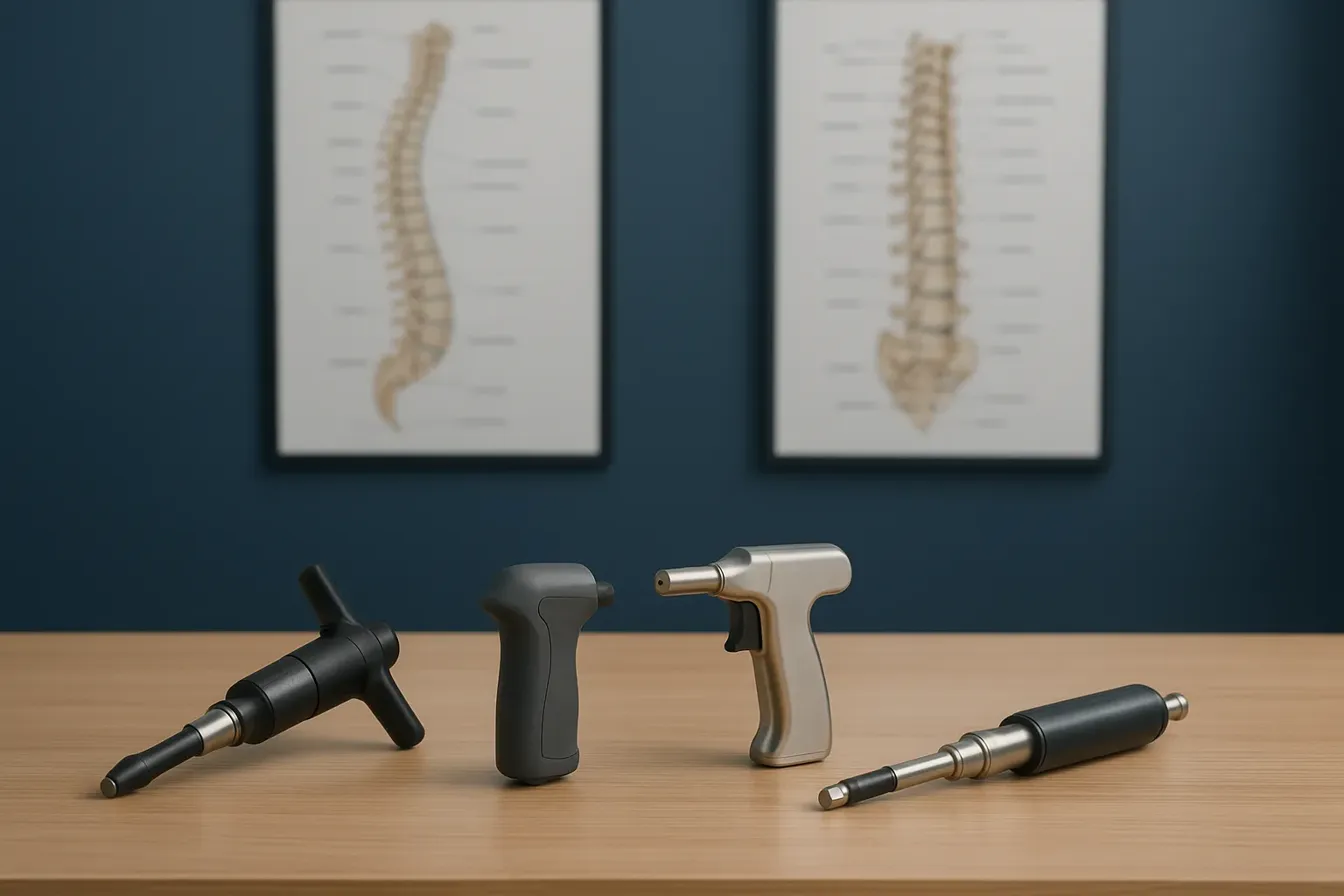
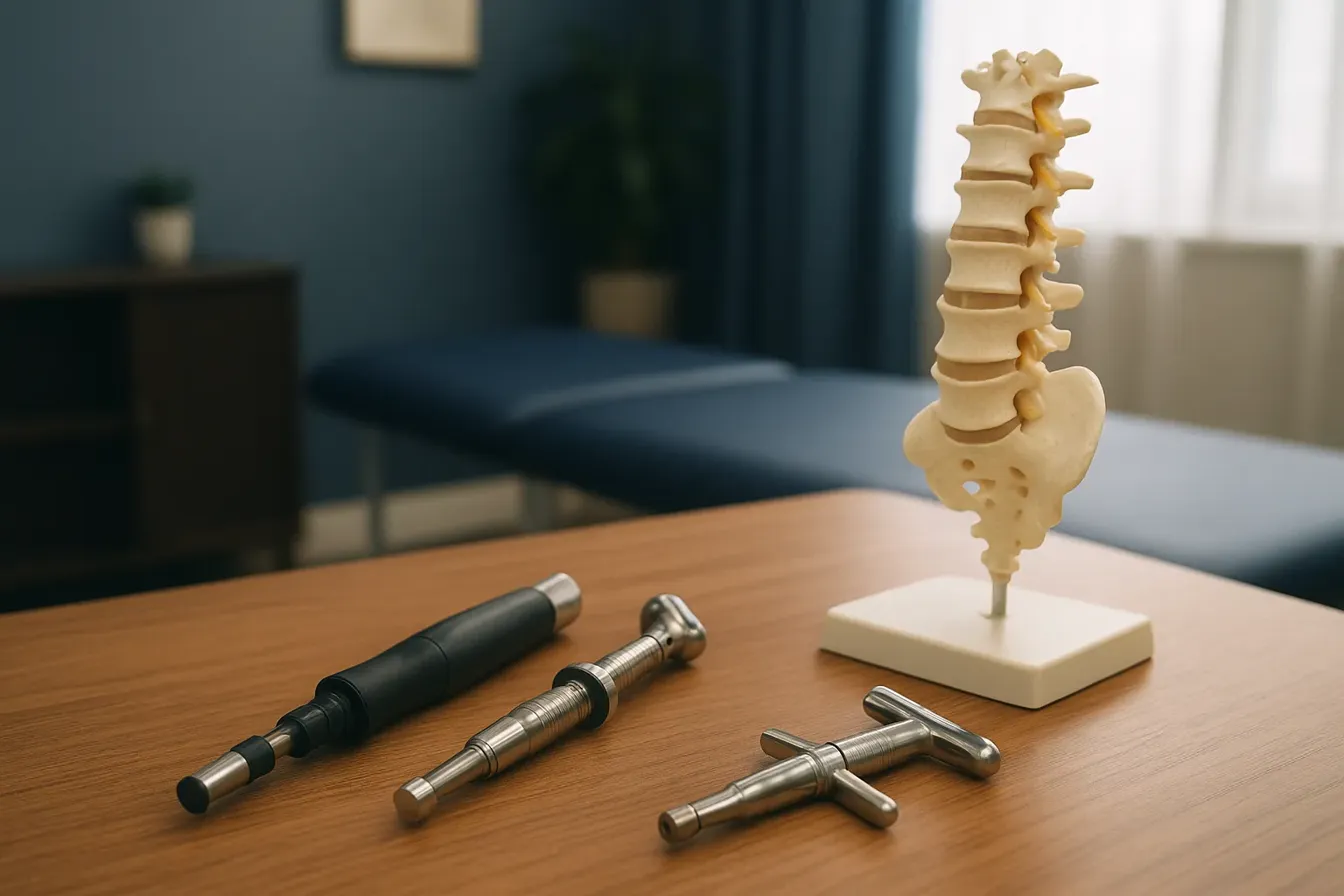
Chiropractic adjustment near me Back in Action Bodyworks offers professional chiropractic adjustments right here in Torrance, California, helping you restore proper spinal alignment and relieve pain without drugs or surgery. Our experienced practitioner combines evidence‑based techniques—such as diversified, activator, and flexion‑distraction adjustments—with holistic wellness services to support overall musculoskeletal health. Whether you’re dealing with back pain, neck tension, sciatica, or post‑injury discomfort, our personalized treatment plans are designed to boost mobility, reduce inflammation, and improve energy levels. Conveniently located at 123 Main Street, Torrance, you can schedule an appointment by calling (310) 555‑1234 or visiting backinactionbodyworks.com. Experience drug‑free, non‑invasive care that gets you back on the path to optimal health.
What is the holistic approach to muscle pain? A holistic approach treats the whole person—body, mind, and spirit—rather than just the sore tissue. It begins with gentle heat therapy to increase circulation, paired with targeted stretching and low‑impact activities such as walking, yoga, or tai chi that restore mobility without over‑loading the muscle. Mind‑body practices like mindfulness meditation and deep‑breathing calm the nervous system, reducing tension and pain perception. Anti‑inflammatory nutrition, proper hydration, and, when appropriate, vitamin or herbal supplements support natural healing. Professional manual therapies—including chiropractic adjustments, therapeutic massage, and acupuncture—provide precise, drug‑free relief and help re‑align the musculoskeletal system for lasting comfort.
Is chiropractic pseudoscience? Chiropractic is a licensed health profession focused on diagnosing and treating mechanical disorders of the musculoskeletal system, especially the spine. The core technique of spinal manipulation has solid evidence of benefit for low‑back pain, neck pain, and certain headaches. However, many traditional concepts—such as the claim that subluxations cause a wide range of systemic diseases—lack robust scientific support and are considered pseudoscientific by many experts. Reputable chiropractors limit practice to evidence‑based musculoskeletal care, avoiding unproven claims. When delivered by a qualified practitioner, spinal manipulation is generally safe, with mild side‑effects common and serious complications rare.
Putting It All Together for Long‑Term Spine Health
Foam rolling loosens tight fascial bands, boosts local blood flow, and expands range of motion, preparing muscles for smoother spinal adjustments. Maintaining a schedule of regular chiropractic visits ensures joint alignment, nerve optimization, and ongoing inflammation control. Tailor your self‑care plan—choosing roller density, session length, and complementary stretches—to fit your body’s needs, lifestyle, and goals, creating a sustainable, personalized pathway to lasting spine health and overall well‑being for daily comfort.
Recent articles

10 Real‑Patient Success Stories Showcasing the Impact of Chiropractic Care

Superfoods That Boost Nerve Healing After Chiropractic Sessions

Sleep Positions That Promote a Healthy Back Alignment

Signs Your Chiropractor Is a Good Fit for Your Back Pain Goals

Case Study: Integrated Physiotherapy and Chiropractic for Faster Recovery

First-Time Chiropractic Visit: A Step‑by‑Step Walkthrough
Synergistic Benefits: Combining Physiotherapy with Chiropractic Care

Beyond Surgery: Holistic Approaches to Managing Back Pain

How Manual Therapy Enhances the Effects of Chiropractic Adjustments

Hydration Hacks: Why Water Matters for Joint and Spine Function

What Does a Comprehensive Spinal Evaluation Include?

Success Spotlight: Transformative Results After Six Weeks of Chiropractic Treatment

Understanding the Initial Assessment Process in Chiropractic Care

Designing a Personalized Corrective Exercise Plan for Chronic Pain Management

Natural Pain Management: Combining Acupuncture, Yoga, and Chiropractic

Chiropractic Care vs. Pain Meds: Long-Term Outcomes for Back Pain Sufferers

What to Expect During a Sciatica‑Focused Decompression Session

Understanding the Pain-Relief Mechanics Behind Chiropractic Adjustments

Success Rates of Non‑Surgical Spinal Decompression for Sciatica

Patient-Centered Chiropractic Care: Personalized Plans for Back Pain Relief
How Chiropractic Treatments Reduce Inflammation and Speed Up Back Pain Recovery

Real‑Life Stories: How Chiropractic Helped Patients Overcome Chronic Back Pain

From Symptom Masking to Root‑Cause Healing: A Practical Guide

6 Holistic Non‑Surgical Treatments That Deliver Sustainable Back‑Pain Relief

Key Questions to Ask When Selecting Your Chiropractor

Mindful Movement: Incorporating Stretch Breaks Into a Busy Day

Why Targeting the Underlying Cause Beats Temporary Symptom Relief

8 Ways Physiotherapy Complements Chiropractic Adjustments for Faster Recovery

Meal Planning for Athletes Recovering from Back Injuries

9 Everyday Lifestyle Tweaks to Preserve a Healthy Spine and Prevent Pain

Functional Movement Screening for Root‑Cause Pain Identification

6 Things You’ll Experience During Your First Chiropractic Appointment

Spinal Decompression vs. Standard Physical Therapy for Sciatica: A Comparative Review

New Findings on How Adjustments Influence Blood Circulation
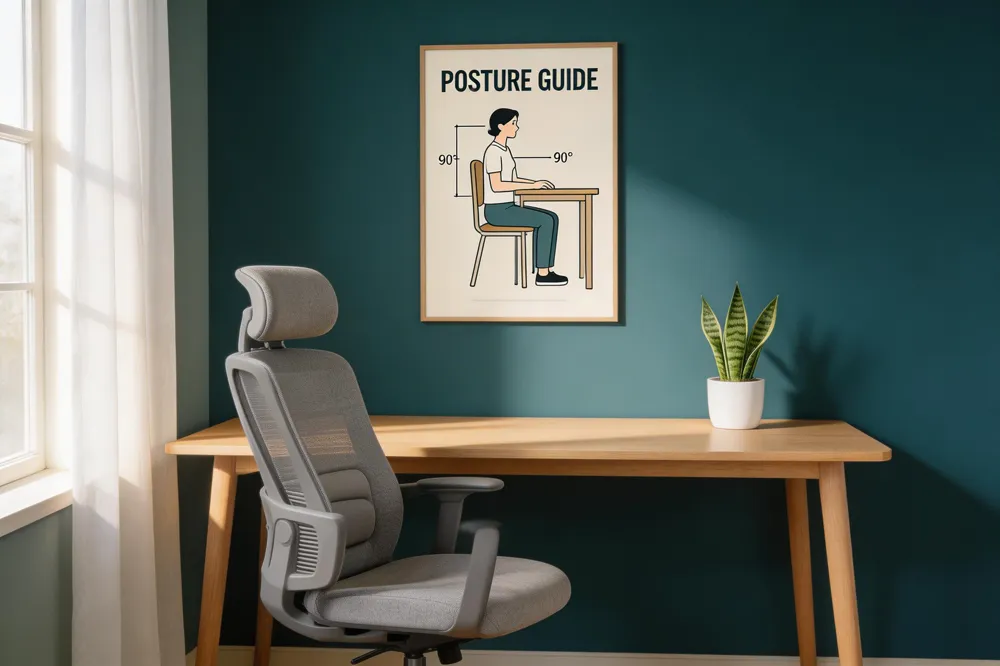
Work‑From‑Home Ergonomics: A Blueprint for a Pain‑Free Back

The Link Between Chiropractic Care and Improved Sleep Quality

Physiotherapy Techniques That Strengthen the Benefits of Chiropractic Adjustments

Biomechanical Insights Behind Successful Spinal Decompression

Desk‑to‑Dumbbell: Lifestyle Shifts That Guard Your Lower Back

10 Corrective Exercises for Sustainable Pain-Free Living

Morning Routines That Support Spine Health and Reduce Stiffness

Calcium and Magnesium‑Focused Nutrition for Bone Density and Spine Health

9 Ways Chiropractic Care Transforms Back Pain Management

Testimonial: Nutrition‑Guided Recovery Accelerated by Chiropractic
Science‑Backed Spinal Decompression for Relieving Sciatica Symptoms

Key Questions to Ask During Your Initial Chiropractic Consultation
Whole‑Body Wellness Blueprint: Nutrition, Exercise, and Chiropractic Synergy

A 12‑Week Corrective Exercise Blueprint for Chronic Neck Discomfort

Manual Therapy Plus Targeted Exercise: Accelerating Post‑Injury Recovery
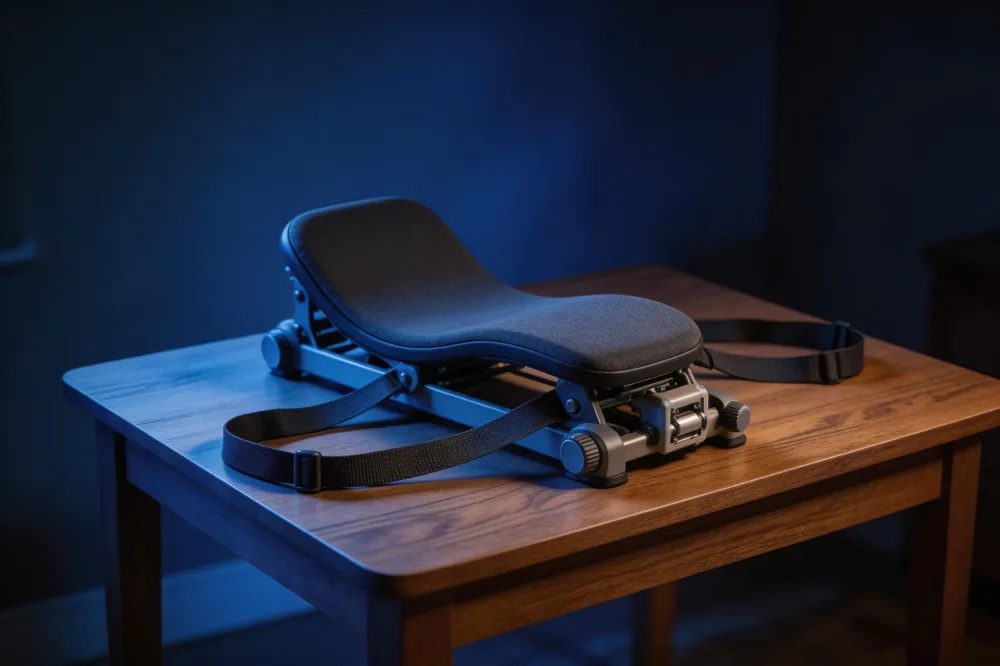
Home‑Based Spinal Decompression Devices: What Patients Should Know

Chiropractic Care Statistics: Reducing Lost Workdays From Back Pain

How Targeted Nutrition Enhances Immune Function and Lowers Inflammatory Pain

Self‑Assessment Tools to Identify Hidden Triggers of Back Pain

Preparing for Your First Chiropractic Appointment: A Practical Checklist

Back Pain Relief Benefits: Lower Opioid Use and Better Quality of Life
Foam‑Rolling Techniques to Complement Chiropractic Adjustments

Progressive Overload Principles in Corrective Exercise Programs

Six‑Month Transformation: Integrated Care Success Story

7 Nutritional Hacks to Boost Your Overall Wellness

How to Choose a Chiropractor: Credentials, Techniques, and Patient Compatibility

5 Ways Spinal Decompression Can Ease Sciatica Pain

Overcoming Sciatica: A Patient’s Multidisciplinary Treatment Journey
Lifestyle Changes That Promote a Healthy Spine
Physiotherapy as a Complement to Chiropractic Treatments
6 Ways Physiotherapy Enhances Chiropractic Treatment Outcomes

Daily Living Tips for a Strong and Healthy Spine

How Physiotherapy Enhances Chiropractic Outcomes
Holistic Treatments: Alternatives to Surgery for Pain Relief
Inspiring Patient Success Stories from Chiropractic Clinics

Integrating Physiotherapy with Chiropractic Treatments
Corrective Exercise Routines for Chronic Pain Prevention
10 Corrective Exercises to Maintain a Healthy Spine and Relieve Pain
Exercise Strategies for Long-Term Pain Management
10 Corrective Exercises to Maintain a Healthy Spine and Relieve Pain
The Importance of Treating the Root Cause of Pain
Nutritional Support Strategies for Whole-Body Wellness
7 Essential Questions to Ask When Choosing Your Chiropractor
Identifying and Addressing Root Causes of Pain
Maintaining a Healthy Spine with Lifestyle Adjustments
Sciatica Symptom Relief via Spinal Decompression
8 Reasons Why Addressing the Root Cause of Pain Is Crucial
Chiropractic Care’s Impact on Back Pain Recovery

Combining Physiotherapy with Chiropractic Care for Better Results
Inspiring Recovery: Chiropractic Patient Testimonials
Nutritional Counseling Tips for Optimal Wellness

Why Addressing the Root Cause of Pain is Crucial
Back Pain and Chiropractic Care: A Winning Combination

Chiropractic Care Benefits You Might Not Know
Exploring Holistic and Non-Surgical Treatments for Pain
Spinal Health: Lifestyle Tips for Everyday Wellness
Spinal Decompression Therapy: Benefits and Applications
Holistic and Non-Invasive Spine Care Options
Everyday Lifestyle Advice to Keep Your Spine Healthy
The Significance of Treating Root Causes in Pain Therapy
Best Corrective Exercises for Sustainable Pain Management

Addressing Underlying Causes of Pain for Long-Term Relief
6 Key Benefits of Spinal Decompression Therapy for Sciatica Relief

How Nutritional Counseling Supports Spine Health and Recovery

The Role of Physiotherapy in Supporting Chiropractic Treatments