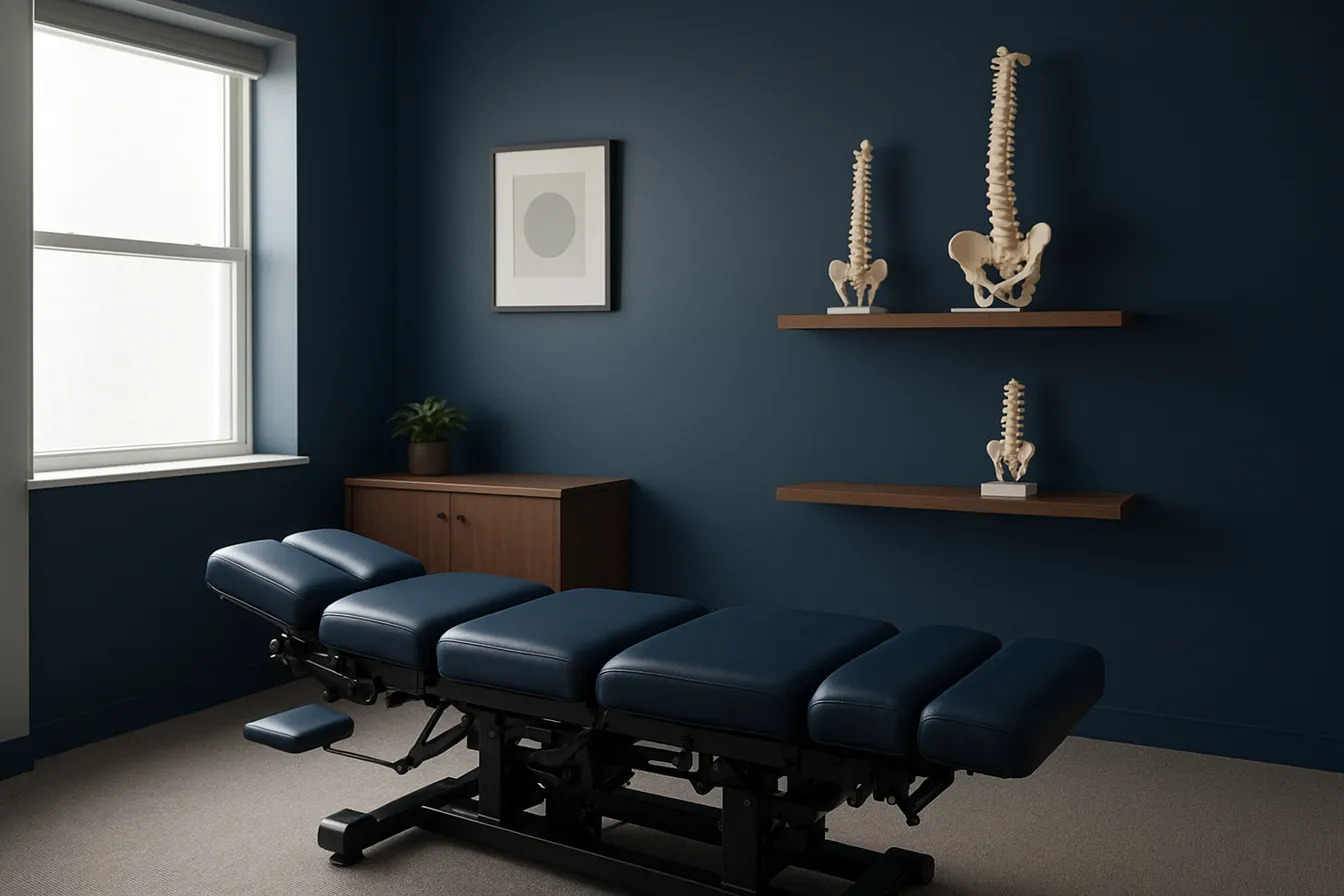
Integrating Physiotherapy in Your Chiropractic Healing Journey
October 20, 2025
6 min

A Holistic Approach to Musculoskeletal Wellness
Exploring the benefits of integrating physiotherapy with chiropractic care reveals a comprehensive path to faster recovery, pain relief, and long-term wellness. This combined approach addresses both the structural and functional elements of the body, enhancing healing and preventing future injuries. By understanding the complementary roles of these therapies, patients can tailor treatments to their specific needs, promoting sustained health and improved quality of life.
Complementary Roles of Chiropractic Care and Physiotherapy

What are the key differences between chiropractic care and physiotherapy?
Chiropractic care primarily targets musculoskeletal disorders, with a strong focus on the spine and joint alignment. Chiropractors perform manual adjustments to restore proper joint function and improve nervous system communication, aiming to relieve pain and enhance mobility.
Physiotherapy, on the other hand, emphasizes strengthening muscles, increasing flexibility, and retraining movement patterns. It uses exercises, stretches, and therapeutic modalities to improve overall mobility and reduce pain.
How do chiropractic care and physiotherapy complement each other?
While chiropractic care focuses on restoring spinal and joint alignment, physiotherapy addresses muscle strength, flexibility, and functional movement. Together, they provide a comprehensive approach by tackling both structural and functional components of the body.
This combination promotes faster recovery, improved stability and mobility, and prevents future injuries by correcting imbalances and building strength.
Examples of conditions treated with combined care
- Back and neck pain
- Sports injuries
- Post-surgical rehabilitation
- Chronic arthritis symptoms
- Poor posture and movement dysfunctions
Integrating these therapies leverages their complementary roles, delivering holistic care tailored to each patient’s needs for better pain relief and improved quality of life.
Benefits of Integrating Physiotherapy with Chiropractic Care

What advantages does combining physiotherapy and chiropractic care offer?
Integrating physiotherapy and chiropractic care provides a powerful synergy that accelerates recovery and enhances pain relief. Chiropractic adjustments focus on realigning the spine and joints to restore proper nervous system communication, while physiotherapy strengthens muscles, improves flexibility, and retrains movement patterns. This dual approach tackles both the structural and functional aspects of the body.
Accelerated recovery and pain relief
The combination leads to faster pain relief as chiropractic care reduces joint restrictions and inflammation, making physical therapy exercises more effective. This allows patients to engage more fully in rehabilitation, promoting quicker healing.
Improved stability, mobility, and function
Together, these therapies enhance joint stability and overall mobility. As muscles become stronger and more flexible through physiotherapy, spinal adjustments help maintain correct alignment, improving movement efficiency and nervous system function.
Prevention of future injuries
An integrated treatment plan educates patients on proper movement and posture, addressing muscle imbalances and joint misalignments before they cause further problems. This proactive care reduces the risk of re-injury and supports long-term wellness.
Personalized treatment plans and holistic care
Health professionals tailor programs to individual needs, combining adjustments, exercises, and mobility techniques. This holistic care model treats underlying causes rather than just symptoms, ultimately improving quality of life through sustained health improvements.
Stages and Techniques in a Combined Chiropractic and Physiotherapy Plan
How are chiropractic care stages structured and integrated with physiotherapy?
Chiropractic care progresses through three main stages: Relief, Corrective, and Wellness. Relief Care aims to quickly alleviate symptoms like pain using spinal adjustments and therapeutic modalities. Following this, Corrective Care focuses on healing the root causes of discomfort. This stage involves rehabilitation exercises, stretching, and lifestyle changes to rebuild strength and correct imbalances.
Physiotherapy plays a crucial role, especially during the Corrective and Wellness stages. Techniques such as strengthening exercises, flexibility training, and neuromuscular re-education complement chiropractic adjustments. Together, they enhance joint stability, mobility, and overall function. Wellness Care centers on long-term prevention through ongoing monitoring, maintaining spinal alignment, and patient education.
Common chiropractic techniques used in combined care
- Diversified Technique: High-velocity, low-amplitude thrusts to restore spine and joint movement.
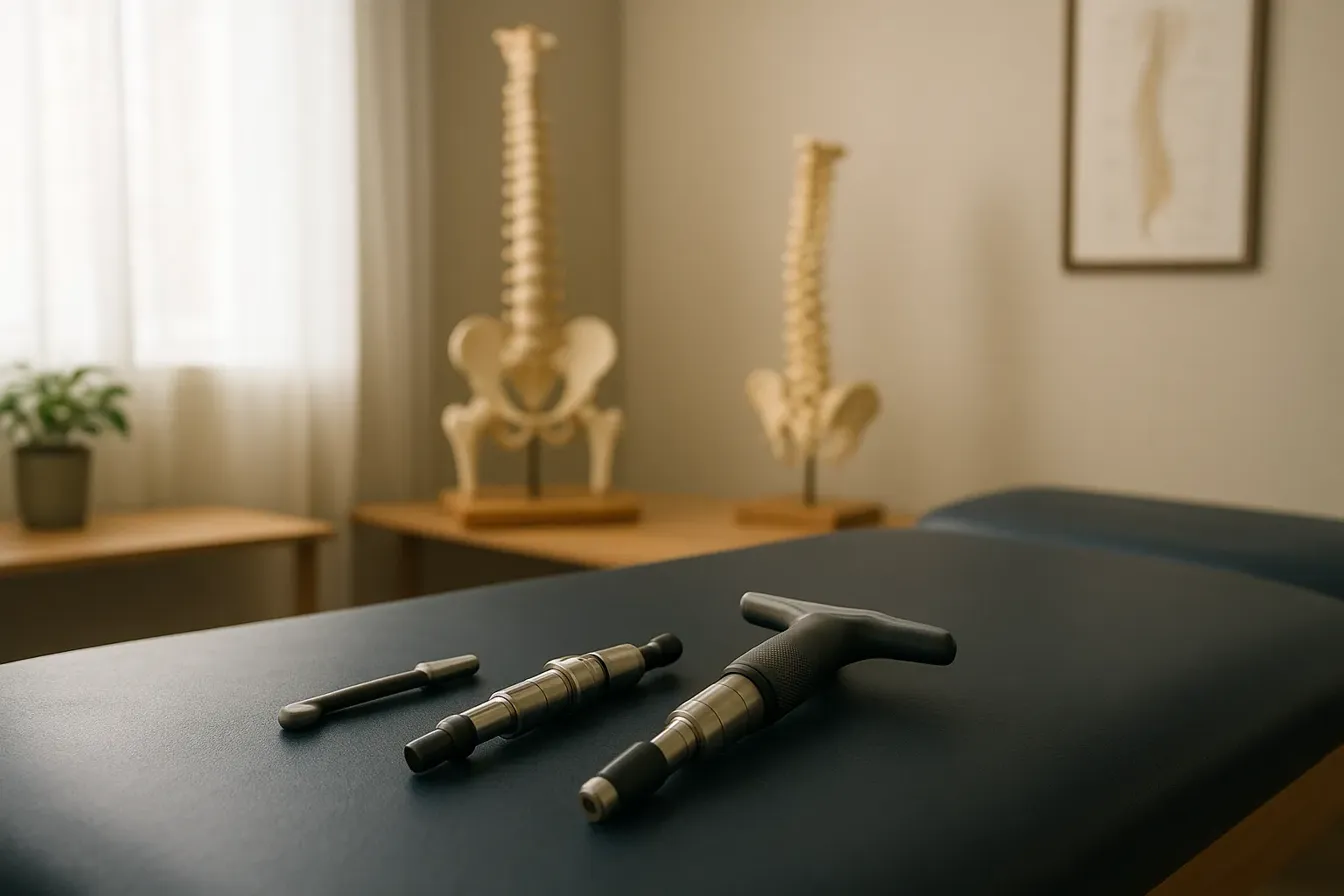
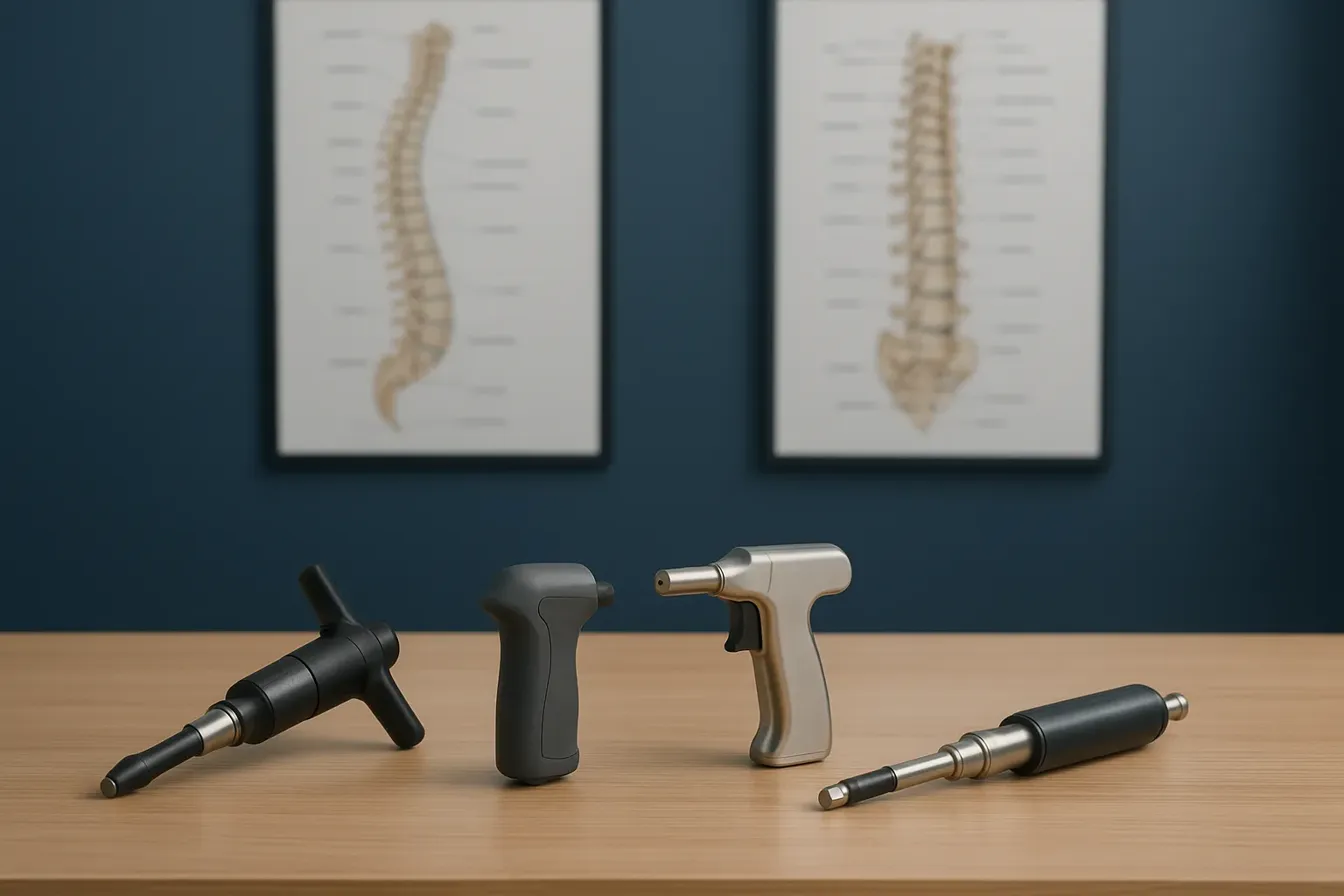
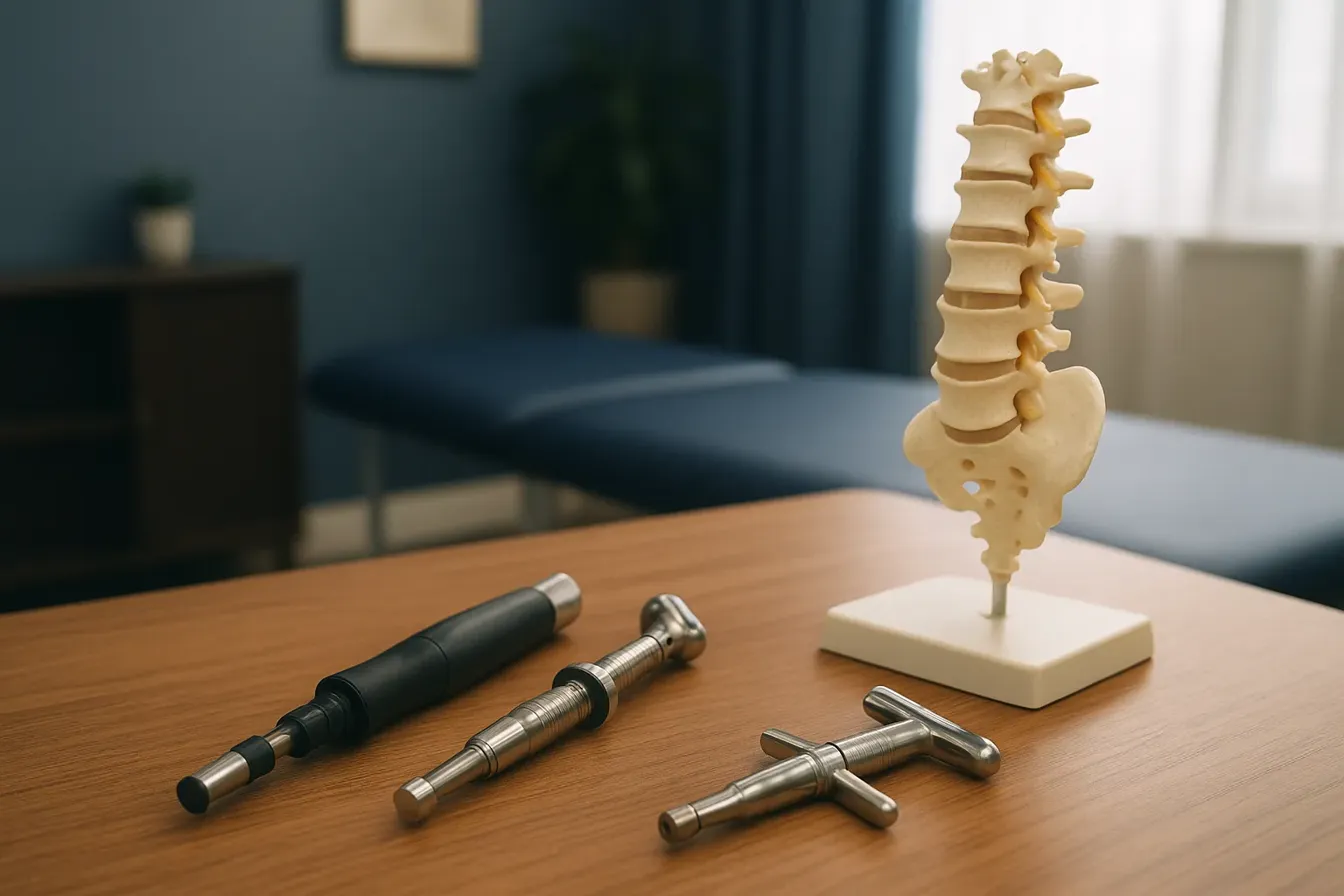
- Activator Method: Gentle, instrument-assisted adjustments ideal for sensitive cases.
- Thompson Drop Technique: Uses a specialized drop table for precise spinal adjustments.
These methods target joint alignment and nervous system function, providing quick pain relief and preparing patients for physiotherapy.
Physiotherapy modalities and exercises for flexibility and strength
Physiotherapy uses exercises tailored to improve muscle strength, flexibility, and endurance. Modalities such as manual therapy, neuromuscular retraining, and stretching help restore range of motion and support joint stability. These interventions are customized to individual needs and often include patient education to reinforce proper movement. See more on physical therapy exercises and stretches and physiotherapy muscle strengthening.
Complementary effects of chiropractic and physiotherapy techniques
By combining chiropractic adjustments with targeted physiotherapy exercises, patients benefit from accelerated recovery and pain reduction. Chiropractic care addresses skeletal alignment and nervous system health, enabling physiotherapy to optimize muscle function and movement patterns. This integrative approach ensures a comprehensive treatment plan that reduces the risk of future injury and supports long-lasting wellness. Learn more about the synergy of physical therapy and chiropractic care and combined chiropractic and physical therapy benefits.
Real-world Applications and Conditions Benefiting from Integrated Care

Which conditions benefit most from a combined chiropractic and physiotherapy approach?
Conditions such as chronic back pain, neck pain, sports injuries, arthritis symptoms, and recovery after surgery benefit significantly from integrated chiropractic and physiotherapy care. This multidisciplinary approach targets both the skeletal system and muscular function, making it effective for improving mobility and reducing pain.
Treatment of back pain, neck pain, sports injuries, arthritis, post-surgical recovery
By combining spinal adjustments with therapies like stretching, strengthening exercises, and manual therapy, patients experience faster recovery and better pain management. For instance, chiropractic care realigns the spine and joints to reduce nerve compression, while physiotherapy strengthens surrounding muscles and retrains movement patterns to support long-term function. This synergy is especially useful in sports injury rehabilitation and managing arthritis symptoms.
Case studies demonstrating improved outcomes with combined care
Research and clinical case reports show that patients receiving combined treatments often have quicker symptom relief and improved functional outcomes than those receiving either therapy alone. Enhanced nervous system communication through chiropractic adjustments complements physical therapy exercises, enabling better joint mobility and muscle performance.
How integration supports nervous system health and overall physical function
Chiropractic adjustments restore proper alignment, which improves nervous system function and reduces inflammation. Physiotherapy further assists healing by strengthening muscles and promoting flexibility. Together, they help prevent future injuries by educating patients about proper movement and posture, contributing to sustained wellness and improved quality of life.
Patient Education and Long-term Wellness Through Integrated Care
Why Are Personalized Treatment Plans Important?
Personalized treatment plans are at the heart of integrated chiropractic and physical therapy care. These plans are tailored to the unique needs of each patient, targeting specific conditions and functional goals. This customization ensures that therapies not only relieve symptoms but also address the root causes, aiding in long-lasting recovery and preventing future problems.
What Role Does Patient Education Play in Self-Care?
Educating patients on self-care is crucial. This includes teaching proper movement techniques, specific exercises to strengthen and stretch muscles, and lifestyle adjustments that support spinal health. Empowering patients with knowledge helps maintain the benefits of treatment between visits and encourages active participation in recovery.
How Does Ongoing Monitoring Support Recovery?
Regular follow-up appointments allow healthcare providers to track progress and make necessary adjustments to the treatment plan. This ongoing monitoring ensures that healing stays on course and that any emerging issues are addressed promptly, reducing the risk of setbacks.
How Can Integrated Care Prevent Re-injury and Enhance Quality of Life?
By correcting biomechanical imbalances and strengthening the musculoskeletal system, integrated care reduces the likelihood of future injuries. Patients benefit from improved posture, enhanced mobility, and better pain management. Ultimately, this leads to a higher quality of life, with sustained wellness beyond the completion of active treatment.
Integrative Therapy: A Pathway to Sustained Healing
Integrating physiotherapy with chiropractic care offers a holistic, effective pathway to healing that addresses both the body's structural and functional needs. Patients benefit from faster pain relief, tailored treatments, and preventive strategies that reduce the risk of future injury. This collaborative model empowers individuals to take active roles in their recovery and long-term wellness, ultimately enhancing their quality of life and physical function.
Recent articles

10 Real‑Patient Success Stories Showcasing the Impact of Chiropractic Care

Superfoods That Boost Nerve Healing After Chiropractic Sessions

Sleep Positions That Promote a Healthy Back Alignment

Signs Your Chiropractor Is a Good Fit for Your Back Pain Goals

Case Study: Integrated Physiotherapy and Chiropractic for Faster Recovery

First-Time Chiropractic Visit: A Step‑by‑Step Walkthrough
Synergistic Benefits: Combining Physiotherapy with Chiropractic Care

Beyond Surgery: Holistic Approaches to Managing Back Pain

How Manual Therapy Enhances the Effects of Chiropractic Adjustments

Hydration Hacks: Why Water Matters for Joint and Spine Function

What Does a Comprehensive Spinal Evaluation Include?

Success Spotlight: Transformative Results After Six Weeks of Chiropractic Treatment

Understanding the Initial Assessment Process in Chiropractic Care

Designing a Personalized Corrective Exercise Plan for Chronic Pain Management

Natural Pain Management: Combining Acupuncture, Yoga, and Chiropractic

Chiropractic Care vs. Pain Meds: Long-Term Outcomes for Back Pain Sufferers

What to Expect During a Sciatica‑Focused Decompression Session

Understanding the Pain-Relief Mechanics Behind Chiropractic Adjustments

Success Rates of Non‑Surgical Spinal Decompression for Sciatica

Patient-Centered Chiropractic Care: Personalized Plans for Back Pain Relief
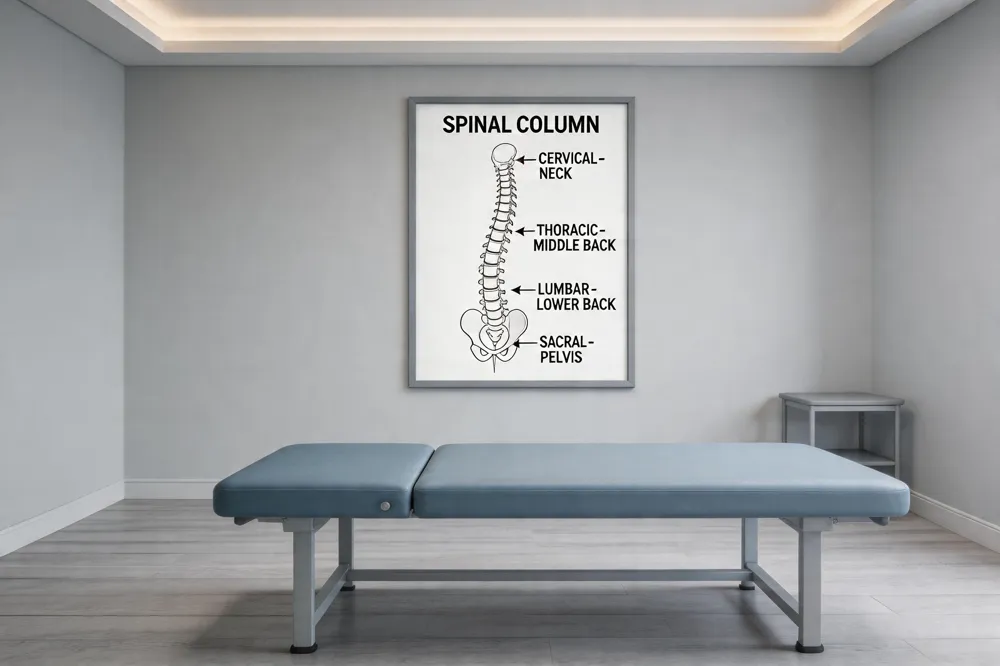
How Chiropractic Treatments Reduce Inflammation and Speed Up Back Pain Recovery

Real‑Life Stories: How Chiropractic Helped Patients Overcome Chronic Back Pain

From Symptom Masking to Root‑Cause Healing: A Practical Guide

6 Holistic Non‑Surgical Treatments That Deliver Sustainable Back‑Pain Relief

Key Questions to Ask When Selecting Your Chiropractor

Mindful Movement: Incorporating Stretch Breaks Into a Busy Day

Why Targeting the Underlying Cause Beats Temporary Symptom Relief

8 Ways Physiotherapy Complements Chiropractic Adjustments for Faster Recovery

Meal Planning for Athletes Recovering from Back Injuries

9 Everyday Lifestyle Tweaks to Preserve a Healthy Spine and Prevent Pain

Functional Movement Screening for Root‑Cause Pain Identification

6 Things You’ll Experience During Your First Chiropractic Appointment

Spinal Decompression vs. Standard Physical Therapy for Sciatica: A Comparative Review

New Findings on How Adjustments Influence Blood Circulation
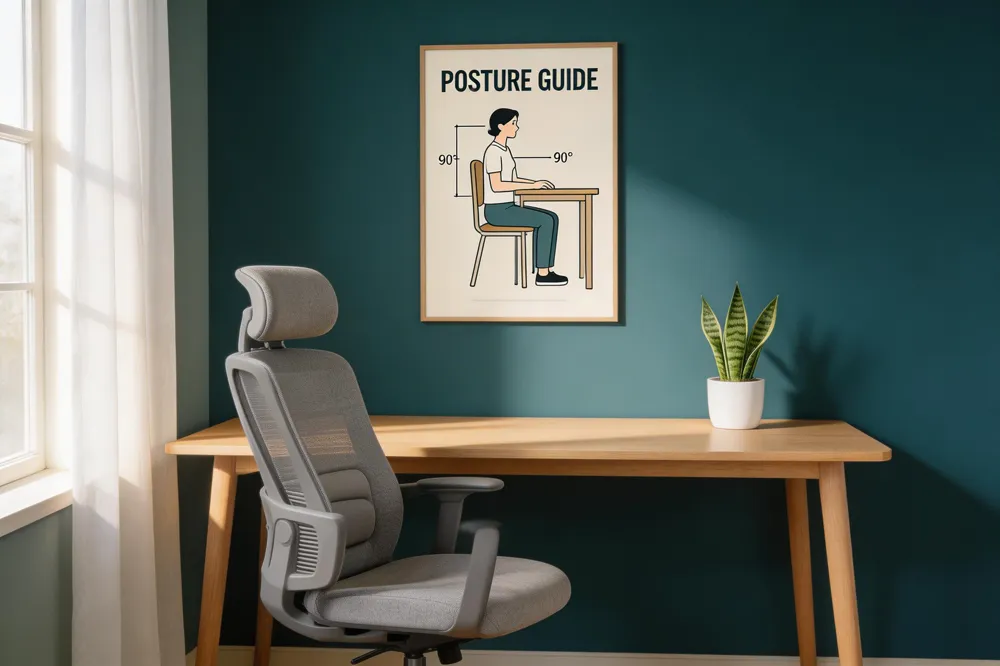
Work‑From‑Home Ergonomics: A Blueprint for a Pain‑Free Back

The Link Between Chiropractic Care and Improved Sleep Quality

Physiotherapy Techniques That Strengthen the Benefits of Chiropractic Adjustments

Biomechanical Insights Behind Successful Spinal Decompression

Desk‑to‑Dumbbell: Lifestyle Shifts That Guard Your Lower Back

10 Corrective Exercises for Sustainable Pain-Free Living

Morning Routines That Support Spine Health and Reduce Stiffness

Calcium and Magnesium‑Focused Nutrition for Bone Density and Spine Health

9 Ways Chiropractic Care Transforms Back Pain Management

Testimonial: Nutrition‑Guided Recovery Accelerated by Chiropractic

Science‑Backed Spinal Decompression for Relieving Sciatica Symptoms

Key Questions to Ask During Your Initial Chiropractic Consultation
Whole‑Body Wellness Blueprint: Nutrition, Exercise, and Chiropractic Synergy

A 12‑Week Corrective Exercise Blueprint for Chronic Neck Discomfort

Manual Therapy Plus Targeted Exercise: Accelerating Post‑Injury Recovery

Home‑Based Spinal Decompression Devices: What Patients Should Know

Chiropractic Care Statistics: Reducing Lost Workdays From Back Pain

How Targeted Nutrition Enhances Immune Function and Lowers Inflammatory Pain

Self‑Assessment Tools to Identify Hidden Triggers of Back Pain

Preparing for Your First Chiropractic Appointment: A Practical Checklist

Back Pain Relief Benefits: Lower Opioid Use and Better Quality of Life

Foam‑Rolling Techniques to Complement Chiropractic Adjustments

Progressive Overload Principles in Corrective Exercise Programs

Six‑Month Transformation: Integrated Care Success Story

7 Nutritional Hacks to Boost Your Overall Wellness

How to Choose a Chiropractor: Credentials, Techniques, and Patient Compatibility

5 Ways Spinal Decompression Can Ease Sciatica Pain

Overcoming Sciatica: A Patient’s Multidisciplinary Treatment Journey
Lifestyle Changes That Promote a Healthy Spine
Physiotherapy as a Complement to Chiropractic Treatments

6 Ways Physiotherapy Enhances Chiropractic Treatment Outcomes

Daily Living Tips for a Strong and Healthy Spine

How Physiotherapy Enhances Chiropractic Outcomes
Holistic Treatments: Alternatives to Surgery for Pain Relief
Inspiring Patient Success Stories from Chiropractic Clinics

Integrating Physiotherapy with Chiropractic Treatments
Corrective Exercise Routines for Chronic Pain Prevention
10 Corrective Exercises to Maintain a Healthy Spine and Relieve Pain
Exercise Strategies for Long-Term Pain Management
10 Corrective Exercises to Maintain a Healthy Spine and Relieve Pain
The Importance of Treating the Root Cause of Pain
Nutritional Support Strategies for Whole-Body Wellness
7 Essential Questions to Ask When Choosing Your Chiropractor
Identifying and Addressing Root Causes of Pain
Maintaining a Healthy Spine with Lifestyle Adjustments
Sciatica Symptom Relief via Spinal Decompression
8 Reasons Why Addressing the Root Cause of Pain Is Crucial
Chiropractic Care’s Impact on Back Pain Recovery

Combining Physiotherapy with Chiropractic Care for Better Results
Inspiring Recovery: Chiropractic Patient Testimonials
Nutritional Counseling Tips for Optimal Wellness

Why Addressing the Root Cause of Pain is Crucial
Back Pain and Chiropractic Care: A Winning Combination

Chiropractic Care Benefits You Might Not Know
Exploring Holistic and Non-Surgical Treatments for Pain
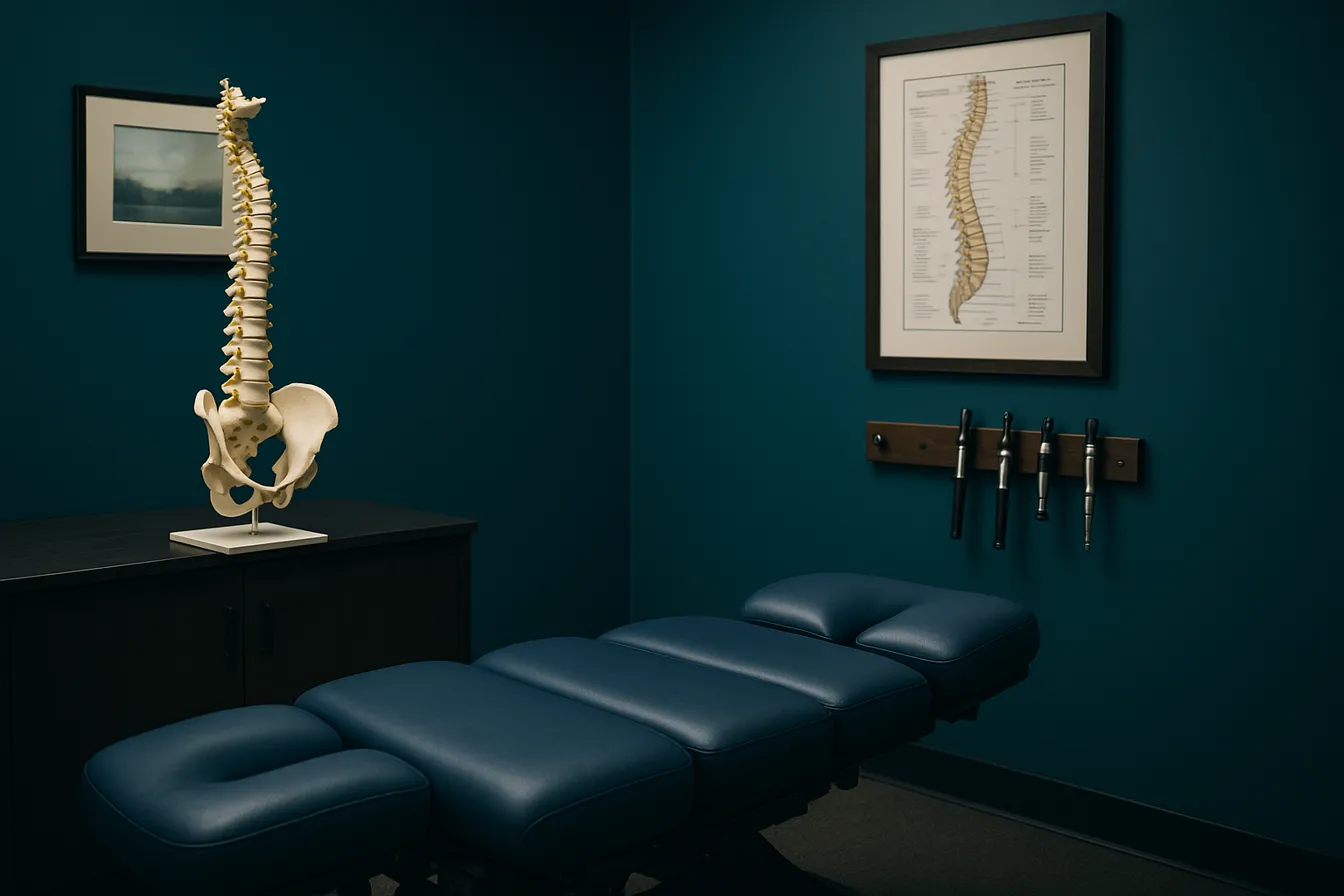
Spinal Health: Lifestyle Tips for Everyday Wellness
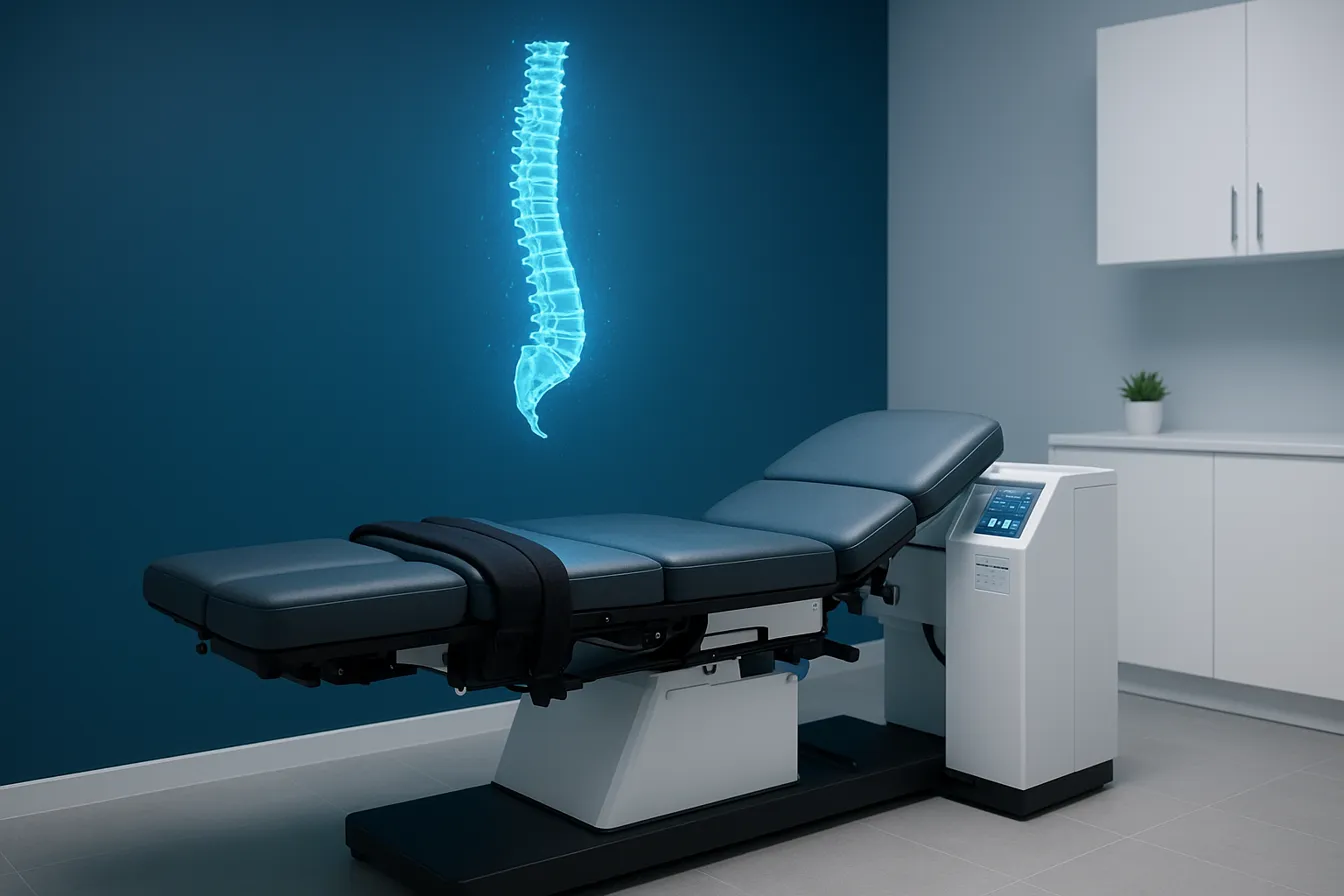
Spinal Decompression Therapy: Benefits and Applications
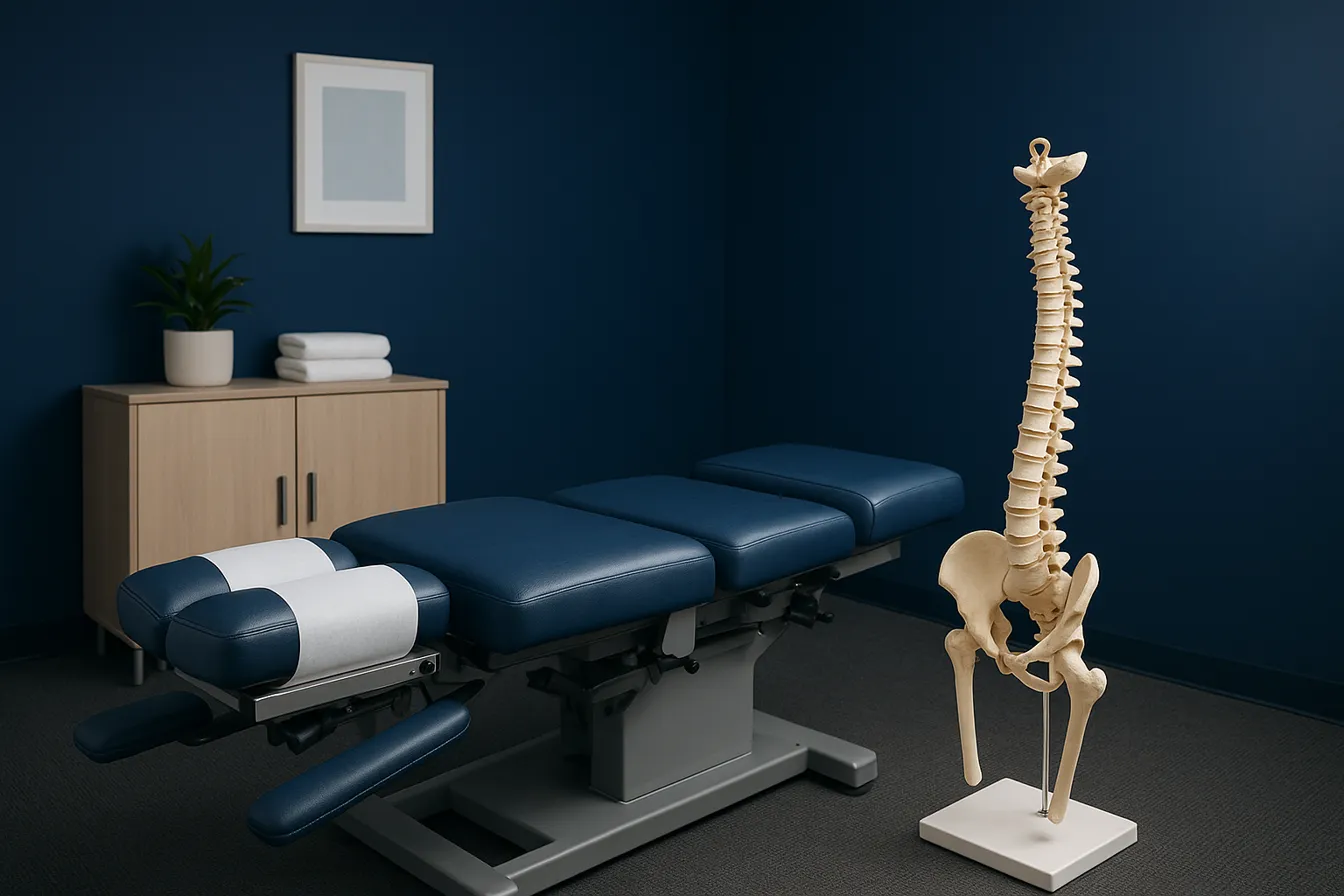
Holistic and Non-Invasive Spine Care Options
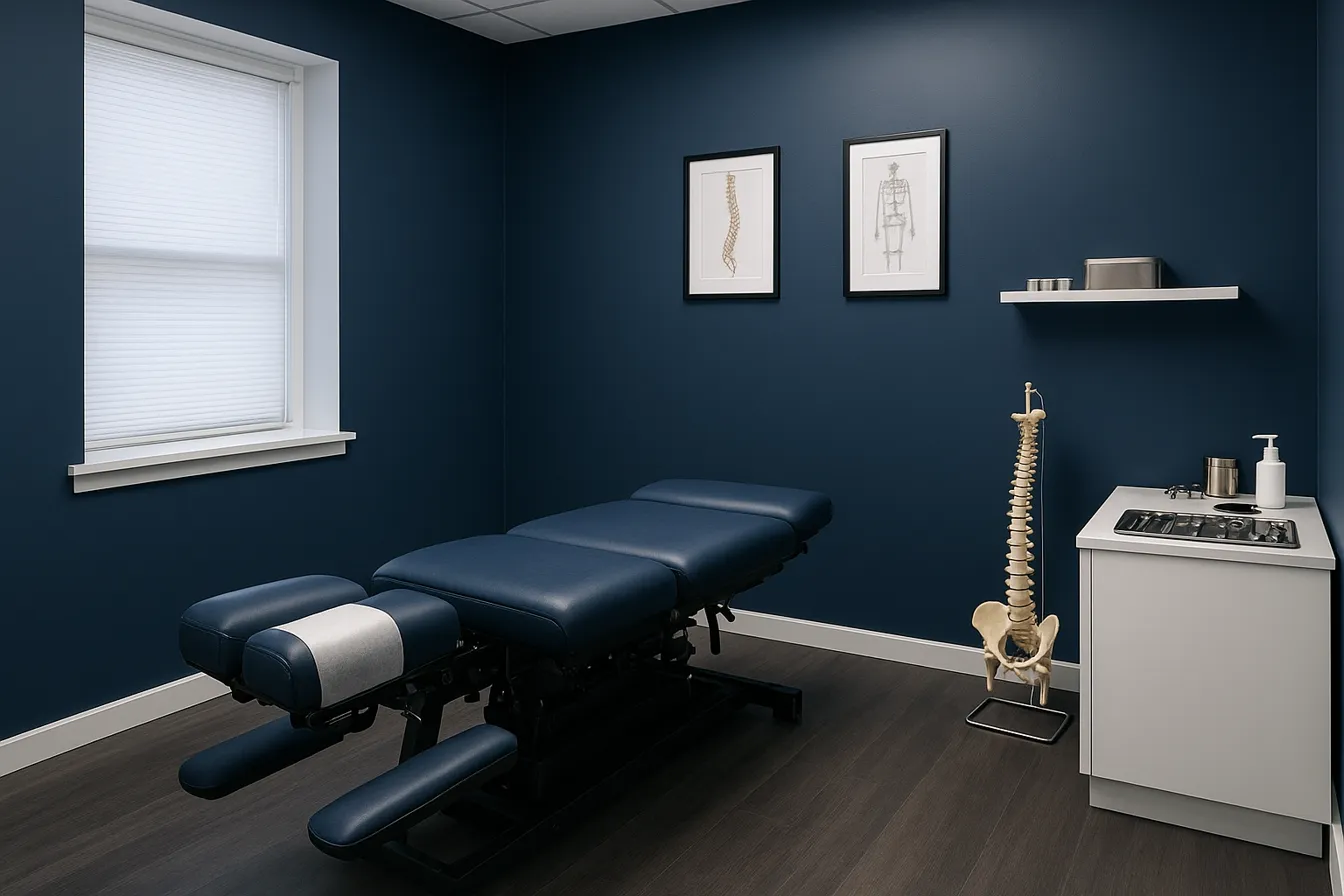
Everyday Lifestyle Advice to Keep Your Spine Healthy
The Significance of Treating Root Causes in Pain Therapy
Best Corrective Exercises for Sustainable Pain Management

Addressing Underlying Causes of Pain for Long-Term Relief
6 Key Benefits of Spinal Decompression Therapy for Sciatica Relief

How Nutritional Counseling Supports Spine Health and Recovery

The Role of Physiotherapy in Supporting Chiropractic Treatments